 EN
EN
EN

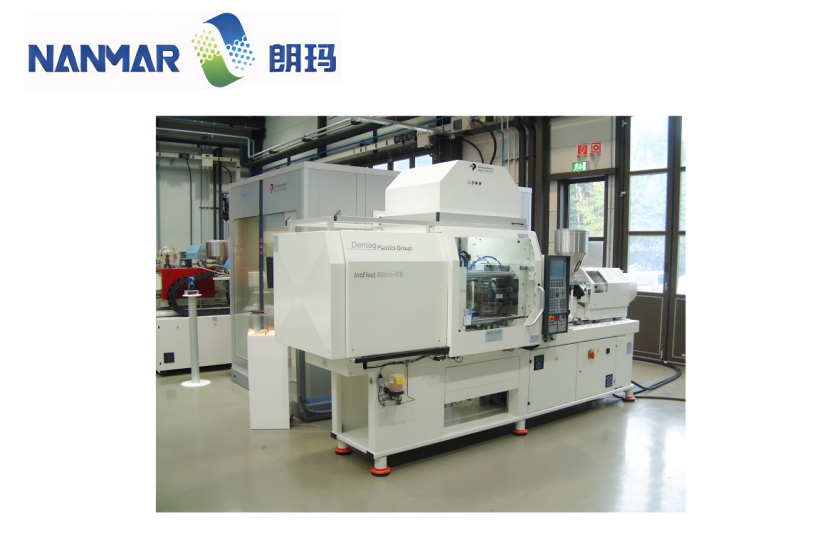
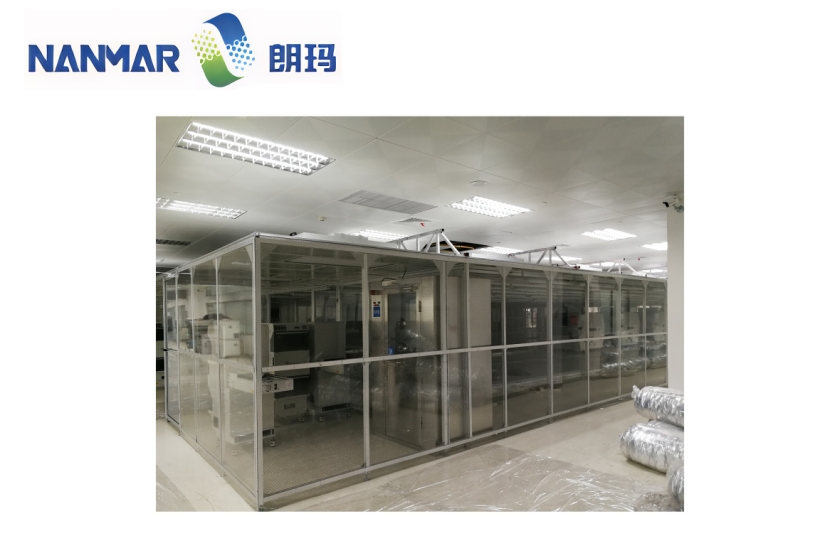
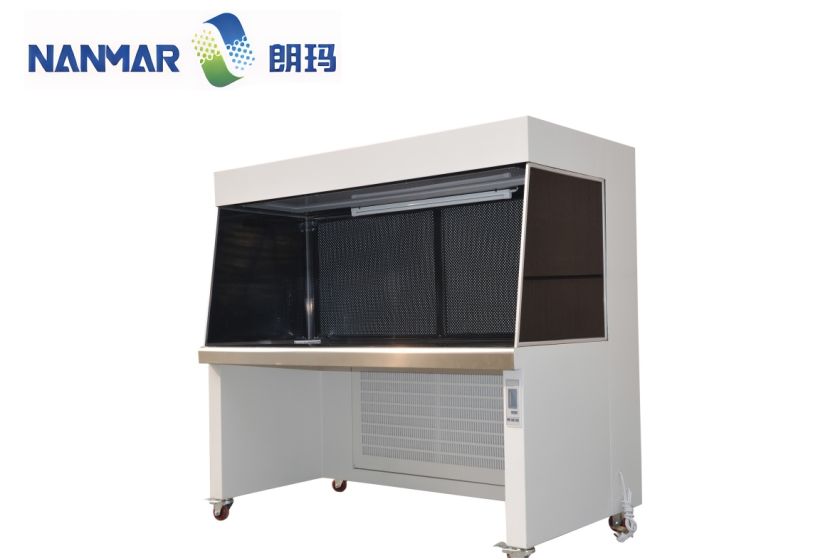
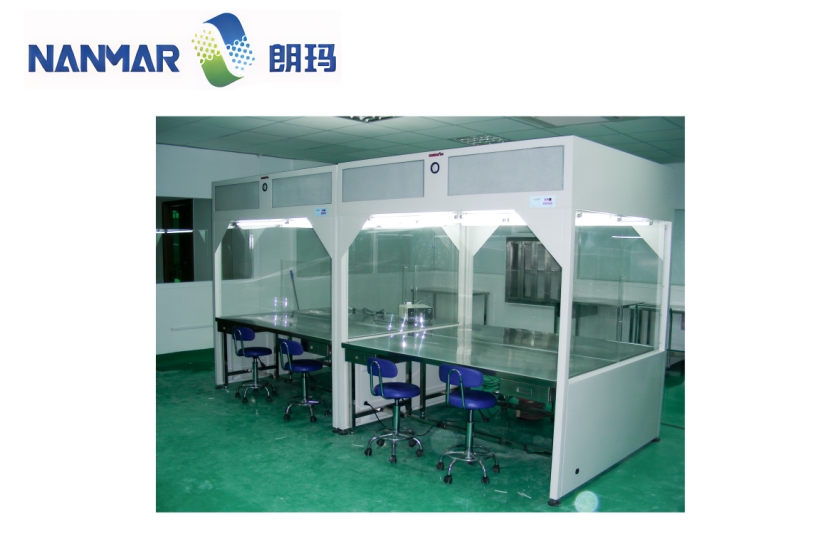
Dust-free production line
Source manufacturers & quality factory
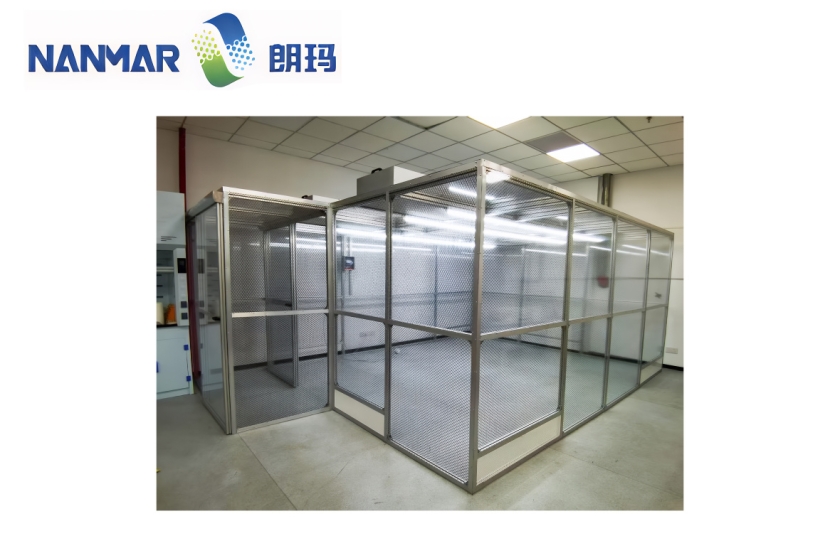
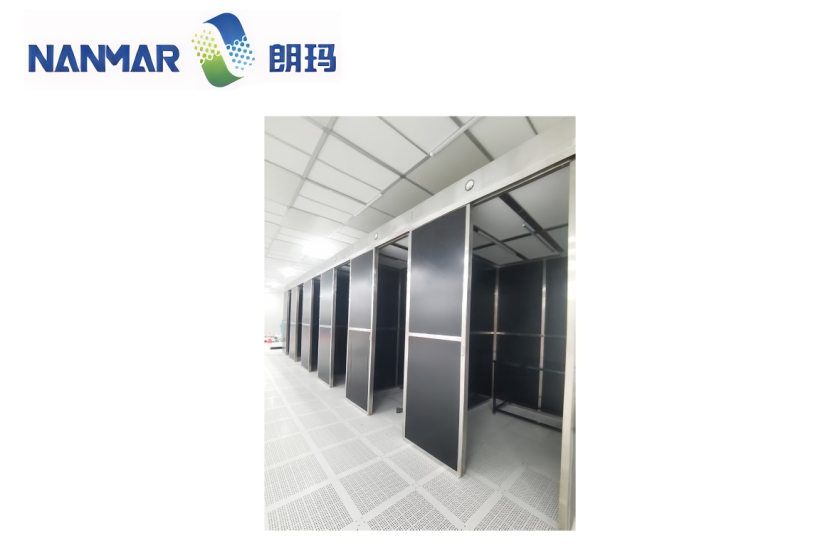
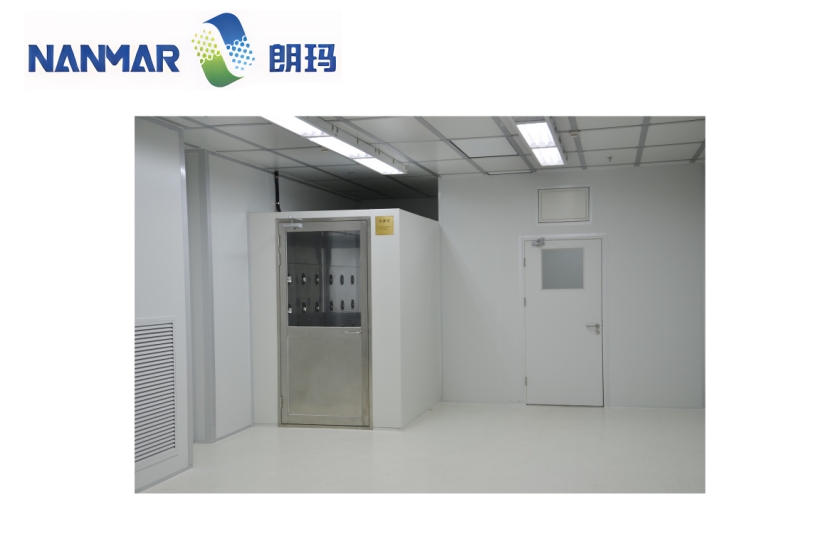
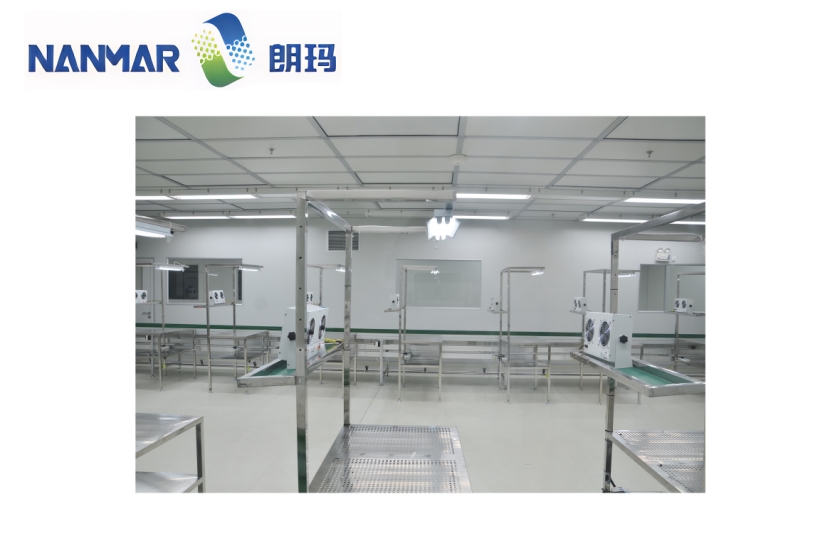
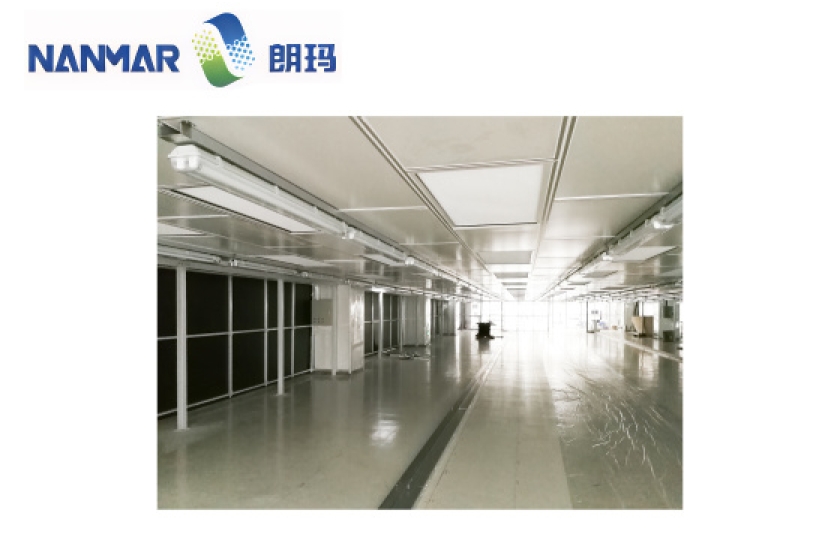
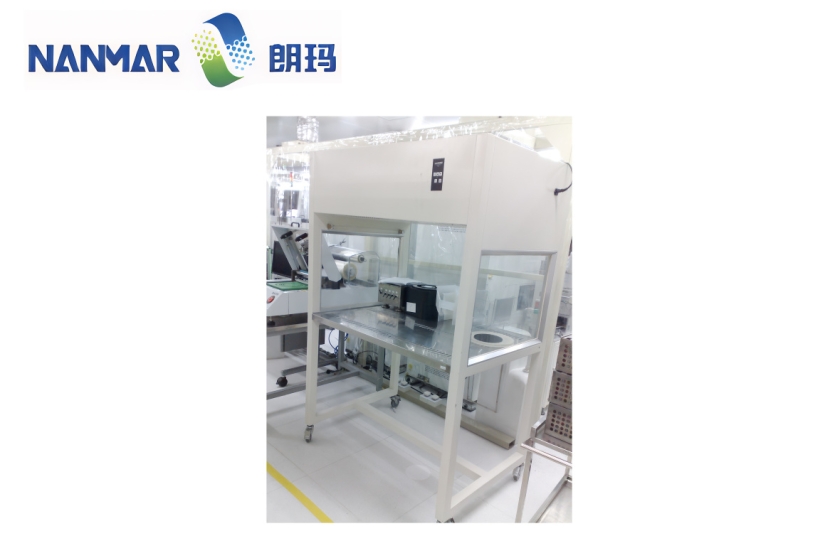
A cleanroom production line refers to a modern production line that strictly controls the concentration of particulate matter in the production environment within standard ranges through technologies such as air filtration and airflow control. It is not absolutely dust-free, but rather reduces the content of dust and other particulate matter to extremely low levels to ensure product cleanliness. Widely used in industries such as food, pharmaceuticals, and electronics, it effectively prevents materials from becoming damp, contaminated, or mixed with foreign matter, improving product quality and safety. Its core is a closed-loop conveyor and high-efficiency purification system, ensuring the hygiene and stability of the production process.
Components & Working Principle
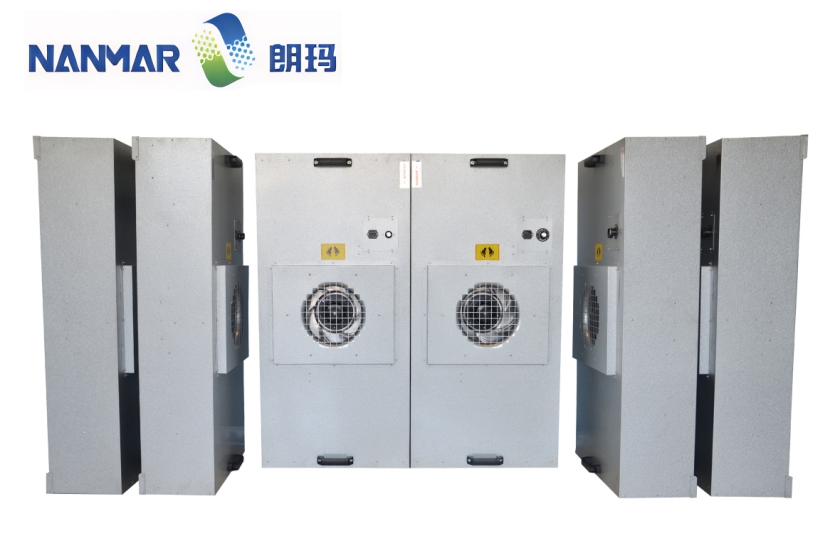
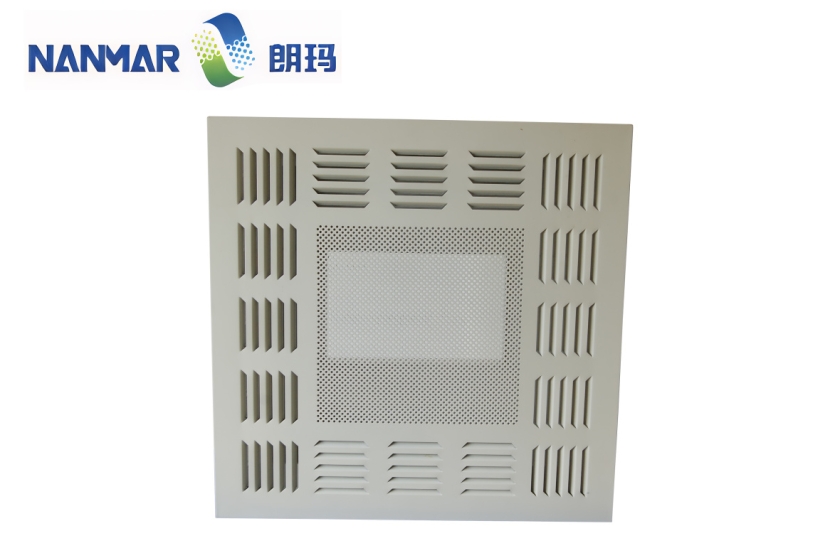
【Components】 A cleanroom production line mainly consists of a frame support, isolation panels, a circulating filtration dust removal device, and a temperature and humidity control system. The frame support provides structural support, the isolation panels ensure space sealing, the circulating filtration system maintains air cleanliness, and the temperature and humidity control ensures the stability of the production environment. These components work together to ensure products are manufactured in a clean, temperature- and humidity-controlled environment, making it particularly suitable for industries such as electronics, pharmaceuticals, and semiconductors.
【Working Principle】 The cleanroom production line achieves efficient dust control through a sealed structure and a negative pressure system. Materials are continuously transported in closed pipelines using airflow energy, creating a slight negative pressure at the inlet to effectively capture dust and prevent leakage. Combined with vibrating screens and controllable discharge devices, material cleanliness and production safety are ensured. This technology is particularly suitable for chemically unstable or easily dust-generating granular materials, achieving a completely clean operation through protective gas circulation, improving environmental cleanliness and operational safety.
Cleanroom Production Line Industry Standards and Customization Services in Vietnam:
In Vietnam, cleanroom production lines primarily adhere to TCVN 8664 and ISO 14644 standards, with GMP compliance being particularly crucial for the pharmaceutical and food industries. Companies can provide complete line planning, equipment customization (such as grinding and pneumatic tools), cleanroom environment support, and testing equipment support. Manufacturers with R&D and production capabilities can customize high-precision products ranging from relays to LCD modules, and obtain environmental safety certifications. Customization services encompass production line design, cleanliness control, and system integration to meet the needs of various industrial sectors.


 VI
VI
 CN
CN
 TH
TH