 EN
EN
EN

Cleanroom Engineering
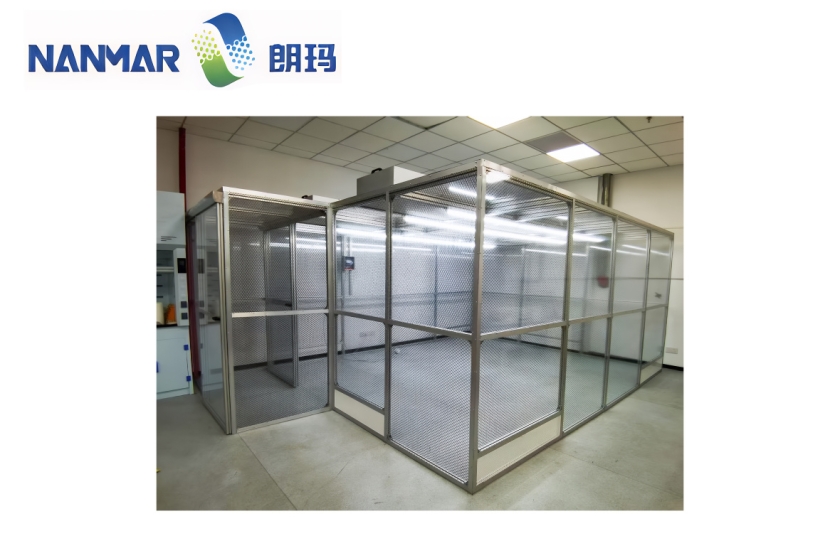
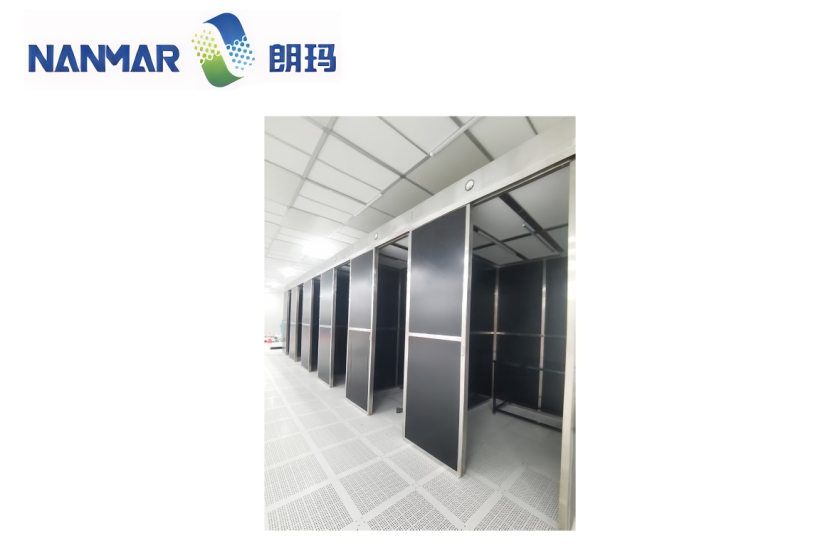
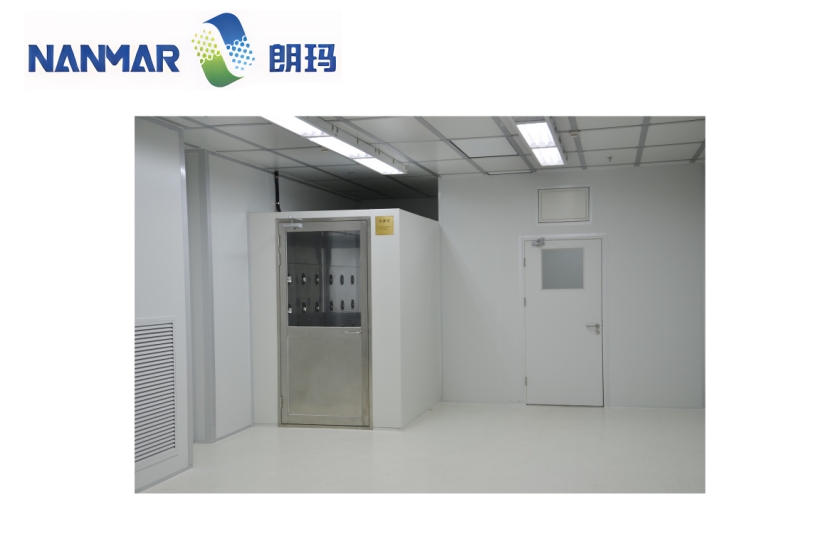
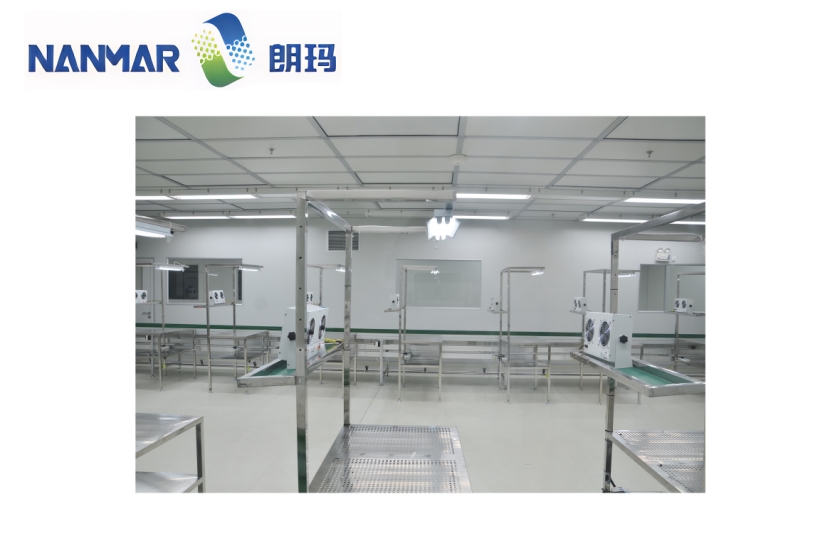
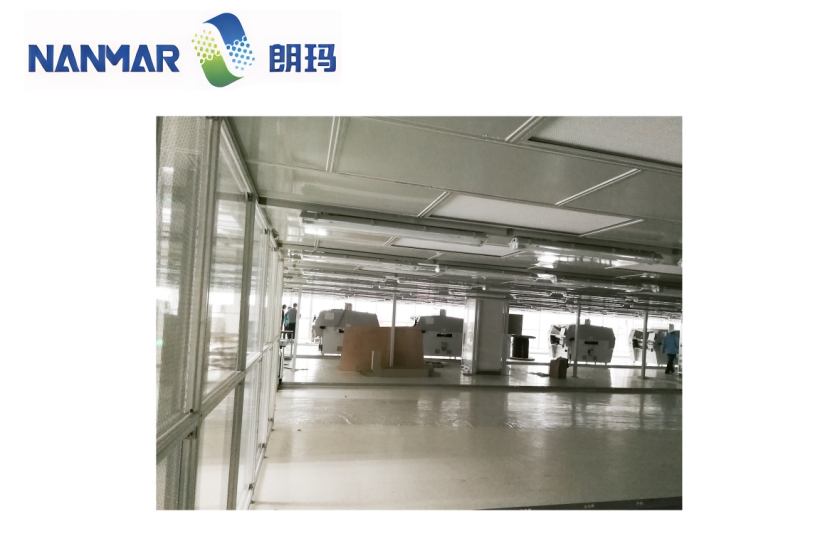
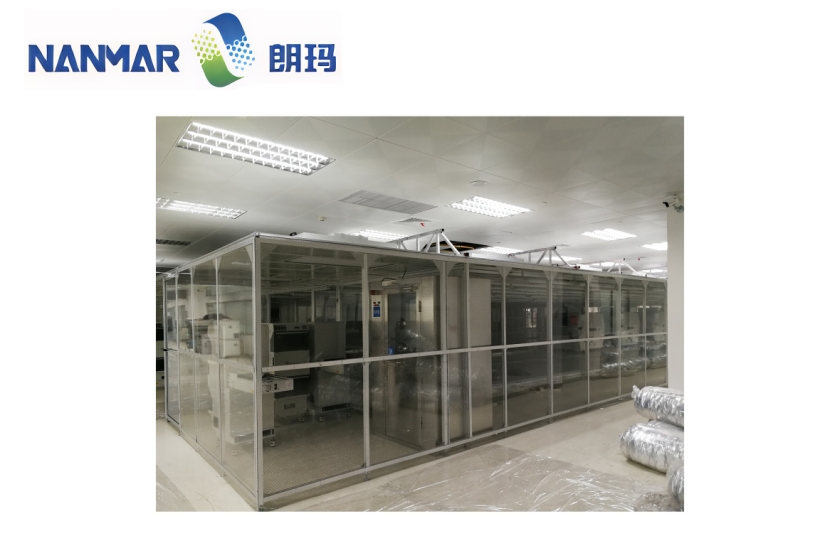
Cleanroom engineering, also known as dust-free room engineering, refers to the process of removing particulate matter, harmful air, bacteria and other pollutants from the air within a specific space, and specifically designing the temperature, cleanliness, indoor pressure, airflow speed and distribution, noise, vibration and lighting, and static electricity control within the cleanroom to meet certain standard requirements.
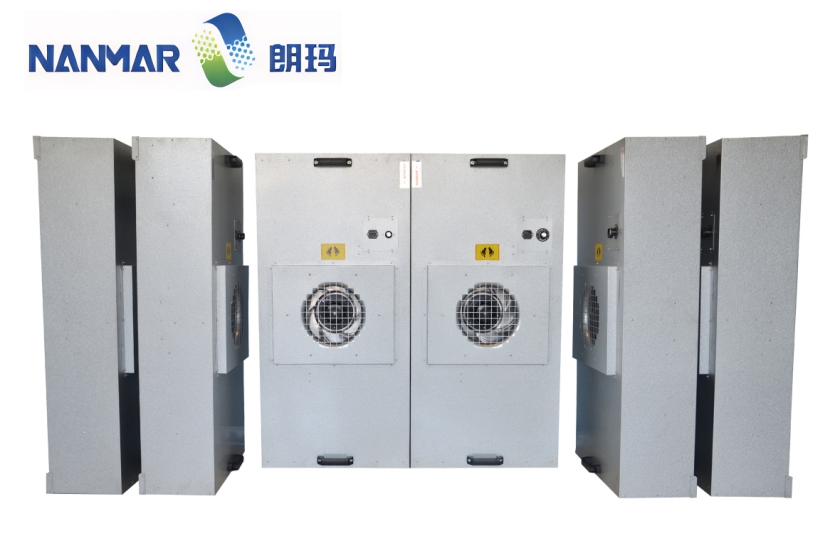
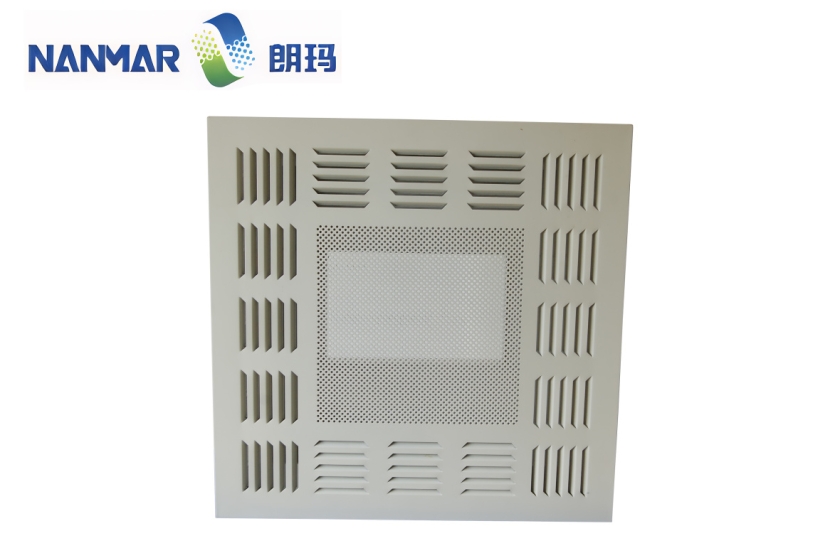
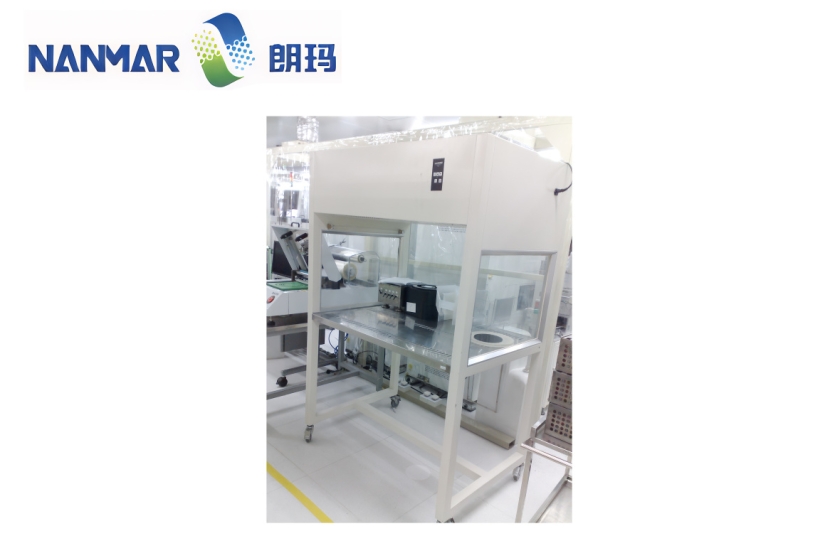
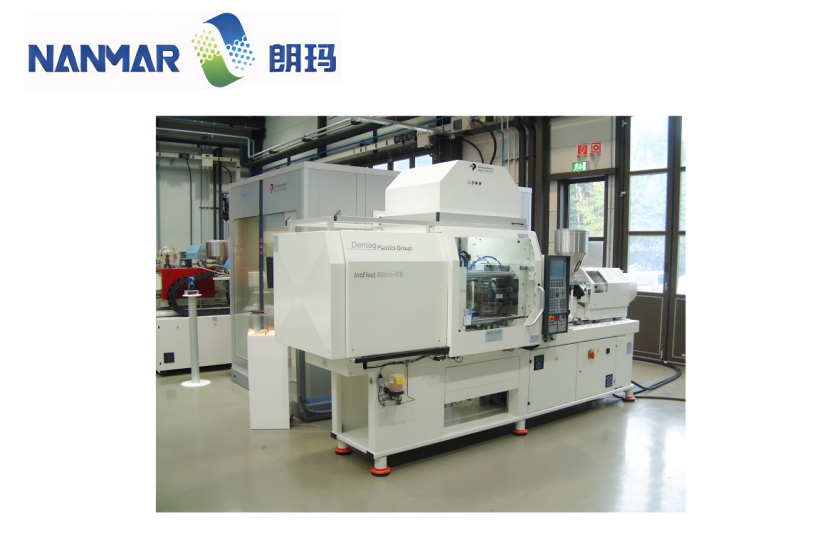
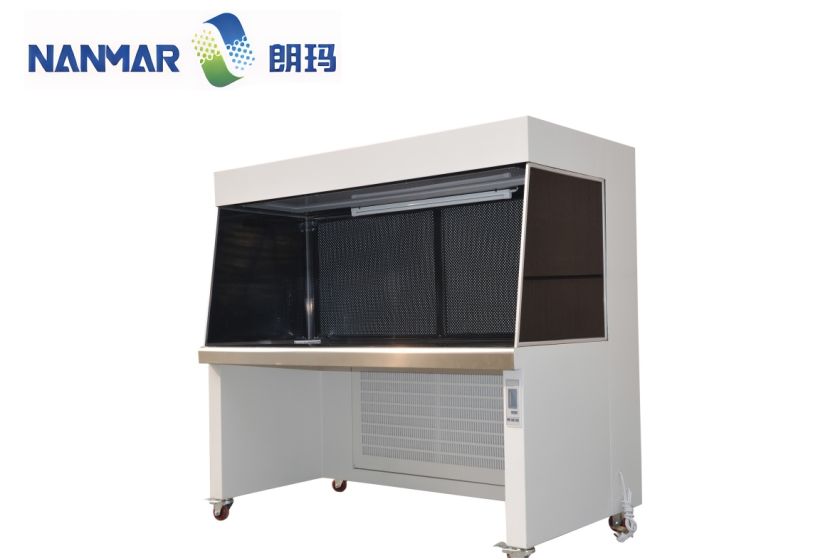
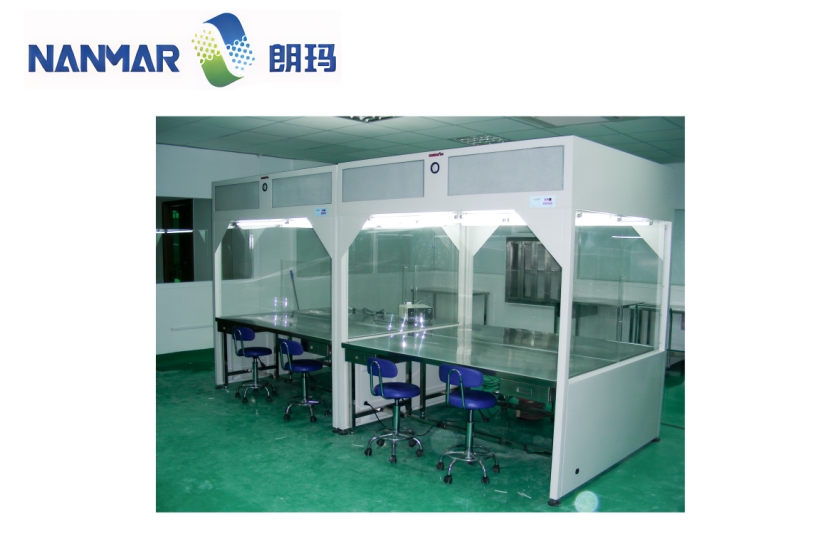
Cleanroom engineering purifies air using high-efficiency particulate air (HEPA/ULPA) filters and controls environmental parameters such as particulate matter, temperature, humidity, airflow direction, and pressure to maintain a high level of cleanliness. Its core principle is the use of laminar or turbulent airflow organization, combined with positive pressure design to prevent external contaminants from intruding. Based on airflow pattern, it is divided into laminar flow (such as vertical/horizontal laminar flow) and turbulent flow; based on cleanliness level, it is divided into Class 100, Class 1000, Class 10,000, etc. It is widely used in fields such as electronics and semiconductors, integrated circuits, pharmaceutical manufacturing, biological laboratories, aerospace, precision instruments, and the production of optical and magnetic products (such as optical discs and magnetic tapes).


 VI
VI
 CN
CN
 TH
TH