 EN
EN
EN

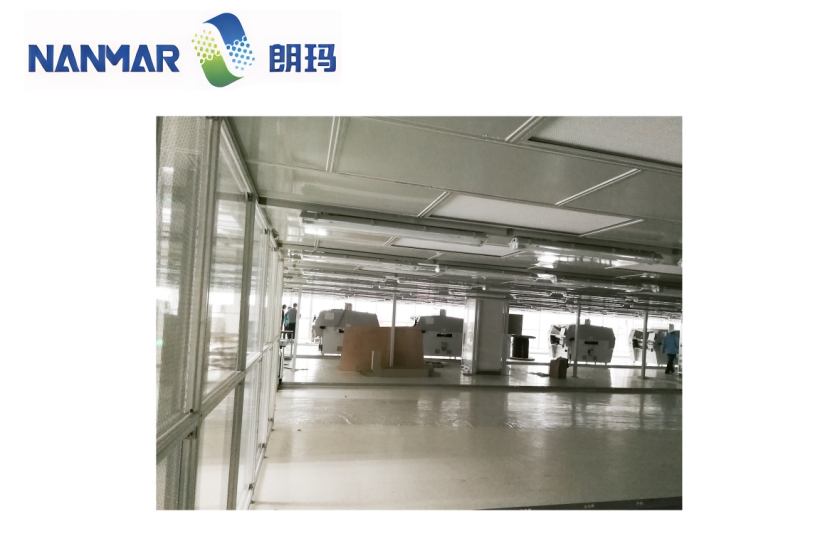
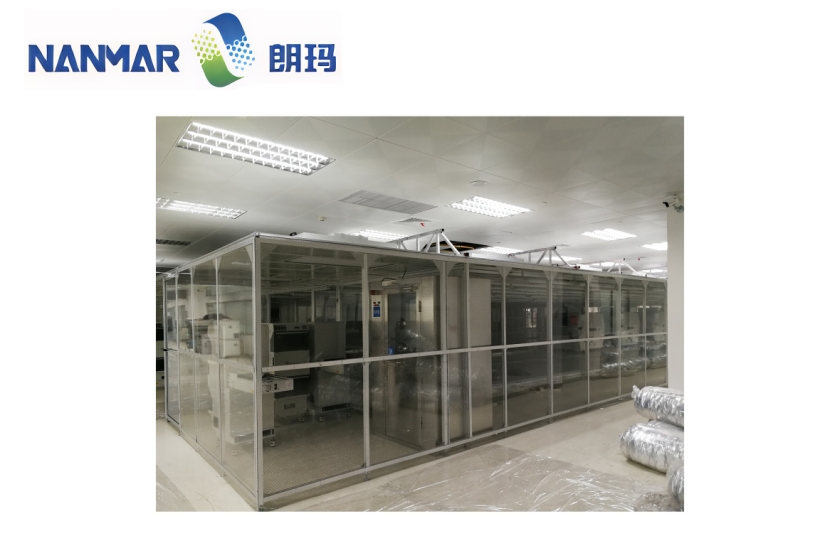
Cleanroom Installation
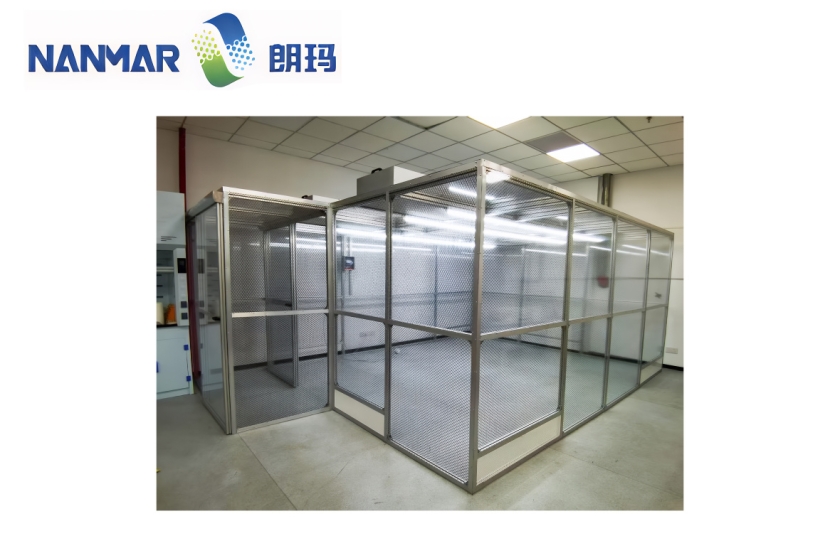
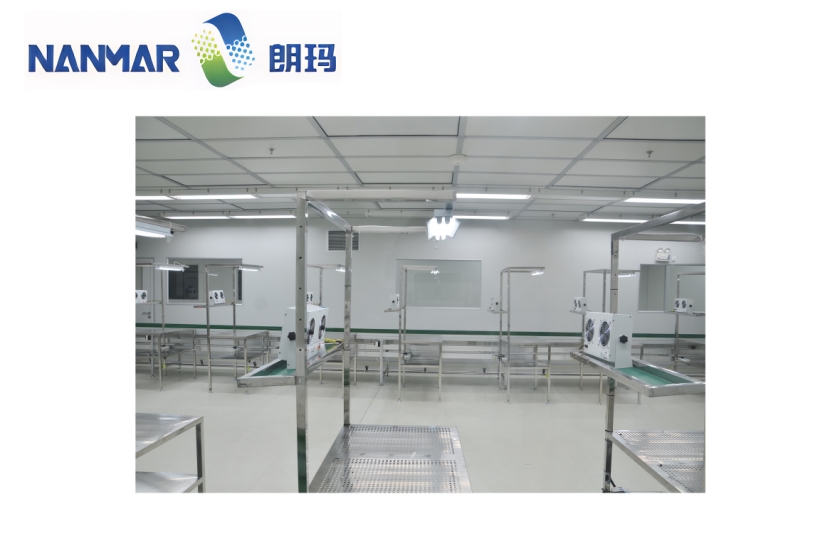
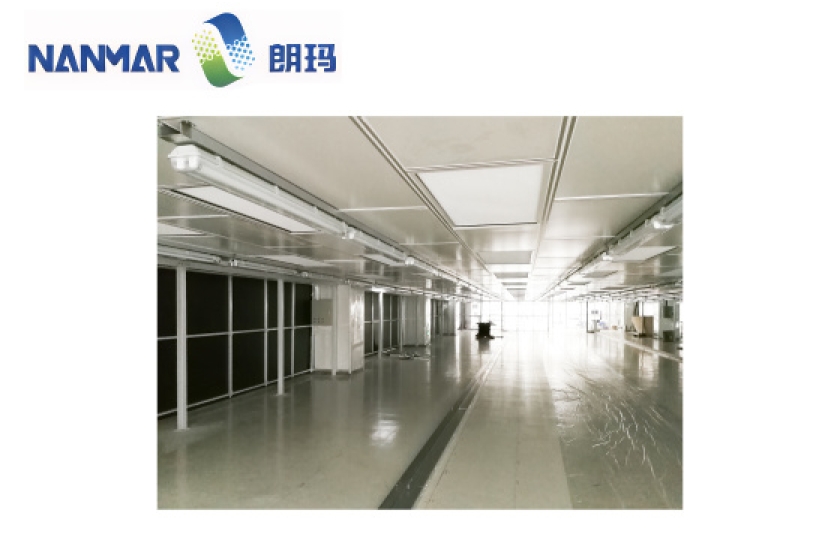
Cleanroom, also known as a dust-free room or clean workshop, is a specially designed room that eliminates airborne particles, harmful gases, bacteria, and other contaminants within a defined space, and controls indoor temperature, cleanliness, indoor pressure, airflow speed and distribution, noise and vibration, lighting, and static electricity within specific requirements. Its core function is to precisely control multiple environmental parameters within the space, providing a controlled production environment for industries with stringent requirements, such as precision manufacturing and biopharmaceuticals.
The cleanroom class requirements of different industries are mainly based on process sensitivity and contamination control requirements, typically corresponding to the ISO 14644-1 standard (or the Class 100/Class 10,000 descriptions in the national standard GB 50073), as follows:
**Food Industry:** Critical processes (such as aseptic filling and ready-to-eat food inner packaging) require ISO 5 (Class 100) to ISO 7 (Class 10,000), while general processing/packaging often requires ISO 8 (Class 100,000) or lower. China's GB 50687 classifies food cleanroom areas into Classes I to IV, with high-risk areas corresponding to Class I/II (close to ISO 5–7).
**Semiconductor Industry:** Core processes such as lithography and packaging require ISO 1–ISO 4 (Class 1–10), while general cleaning/testing requires ISO 5–6 (Class 100–Class 1,000), with ISO 4–5 being the most common overall.
Aerospace Industry: Assembly and precision instrument integration often use ISO 5-7 (Class 100-10,000). High-reliability components (such as optics/sensors) may reach ISO 4, but overall, the standard is lower than semiconductors, with greater emphasis on anti-static and overall contamination control.
Precision Instruments (including medical devices): Sterile instruments (such as implants and syringes) require ISO 5-7 (Class 100-10,000). Non-sterile precision assembly typically uses ISO 7-8 (Class 10,000-100,000), conforming to GMP A/B/C or YY 0033 standards. Actual selection must consider specific processes, regulations (such as GMP, SC certification, AS9100), and local operating area requirements. It's not a uniform level for the entire plant, but rather a risk-zoned design. Furthermore, the aerospace industry prioritizes system-level cleanliness and anti-static measures, and may not use the highest-level cleanroom throughout the entire process.
Cleanrooms typically require the following core equipment to maintain their clean environment:
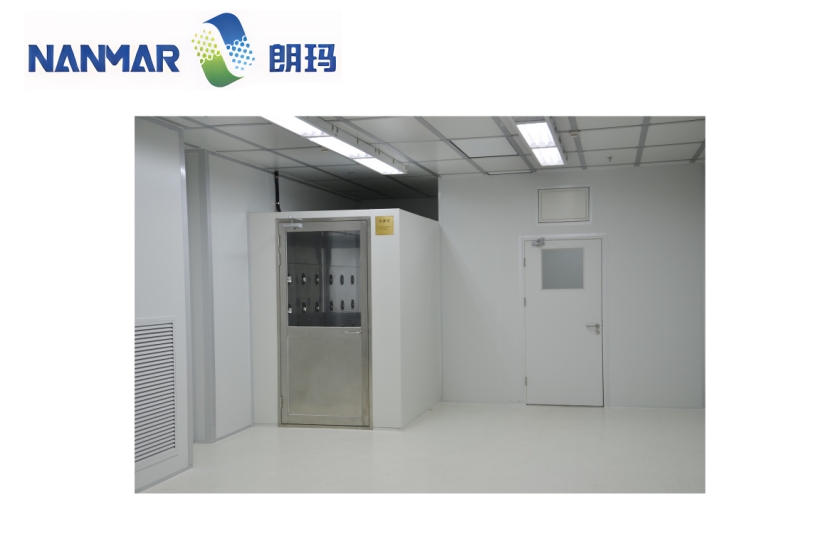
**Air Shower: Installed at the cleanroom entrance, it uses high-speed clean air to remove dust and microorganisms from personnel and object surfaces, preventing contamination from entering the clean area.
**Pass-through Window: Used for transferring small items between the cleanroom and non-clean areas, equipped with a double-door interlocking system to prevent cross-contamination.
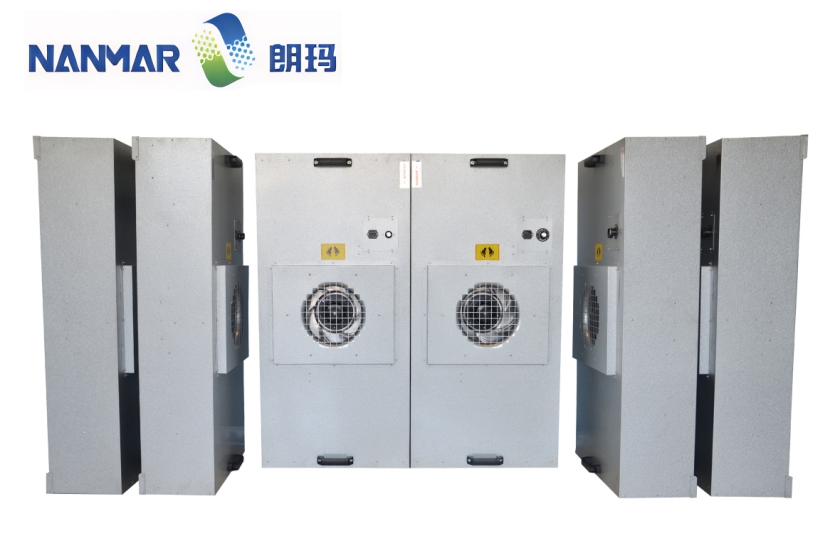
**Laminar Flow Hood/FFU (Fan-Filter Unit): Provides a localized unidirectional flow clean space, suitable for operation areas with high cleanliness requirements, such as precision assembly or aseptic experiments.
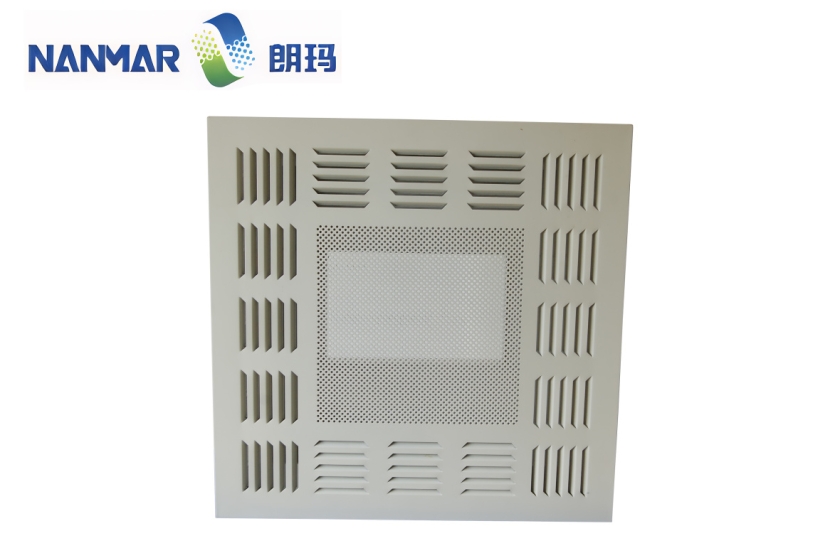
**High-Efficiency Particulate Air (HEPA/ULPA) Filters 99.99% or more of particles larger than 0.3 microns, a key component for ensuring air cleanliness.
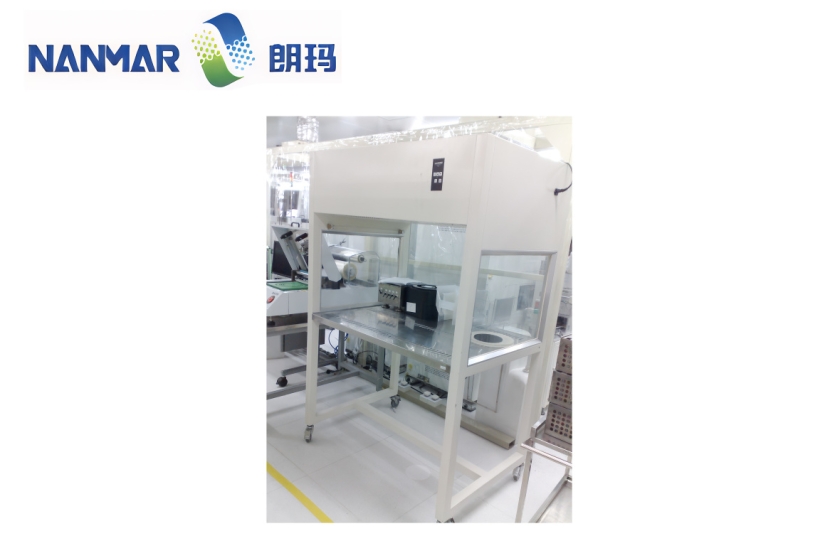
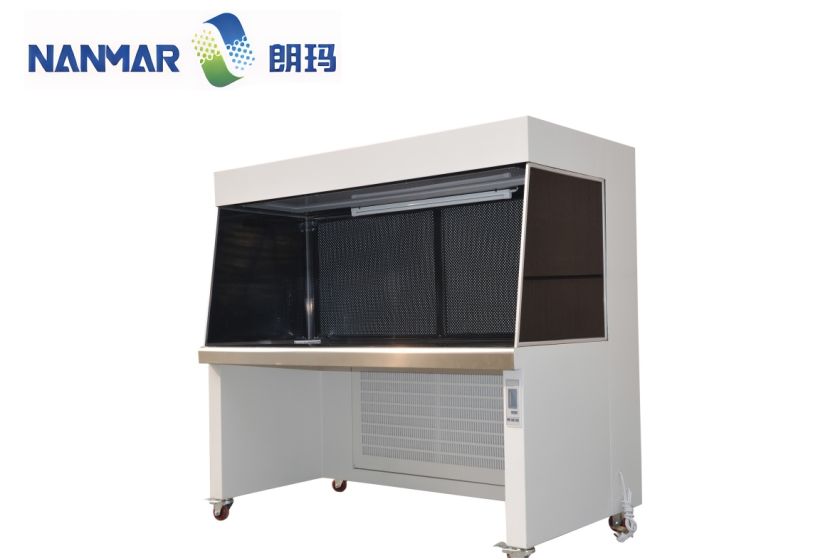
**Clean Bench: Provides a high-cleanliness environment for localized work areas, commonly used in laboratories or for delicate operations in electronics manufacturing.
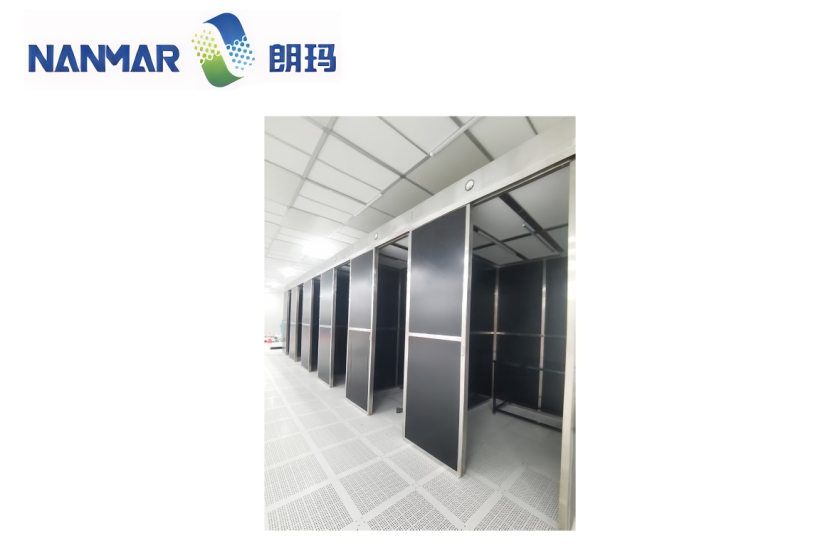
**Cleanroom Air Conditioning System (AHU): Integrates temperature and humidity control with air circulation and filtration functions to ensure stable environmental parameters. **Cargo Shower Chamber:** A specially designed air shower channel for removing dust from raw materials, tools, and other items entering the cleanroom.
**Vacuum Cleaning System: Used to remove ultrafine dust and prevent secondary dust generation, particularly suitable for new materials workshops.
&&In addition, depending on industry requirements, auxiliary devices such as cleanroom vacuum cleaners, biosafety cabinets, and temperature and humidity control equipment may also be configured.


 VI
VI
 CN
CN
 TH
TH