 EN
EN
EN

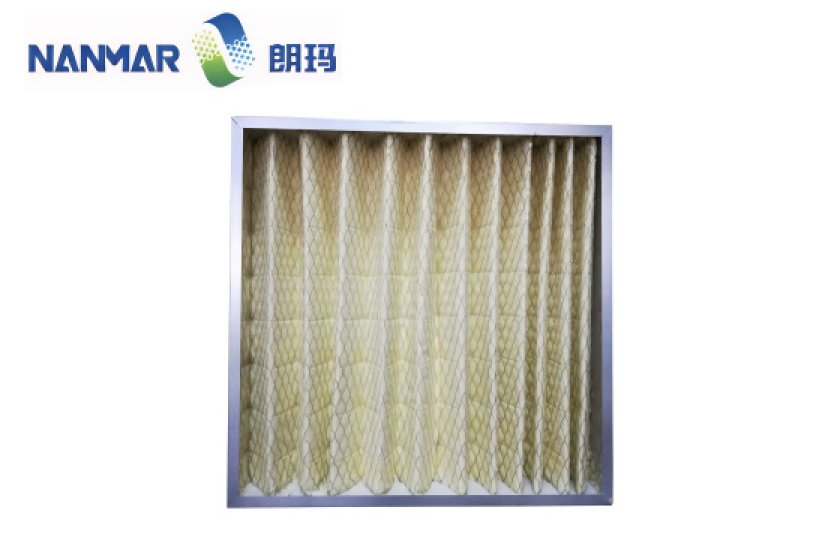
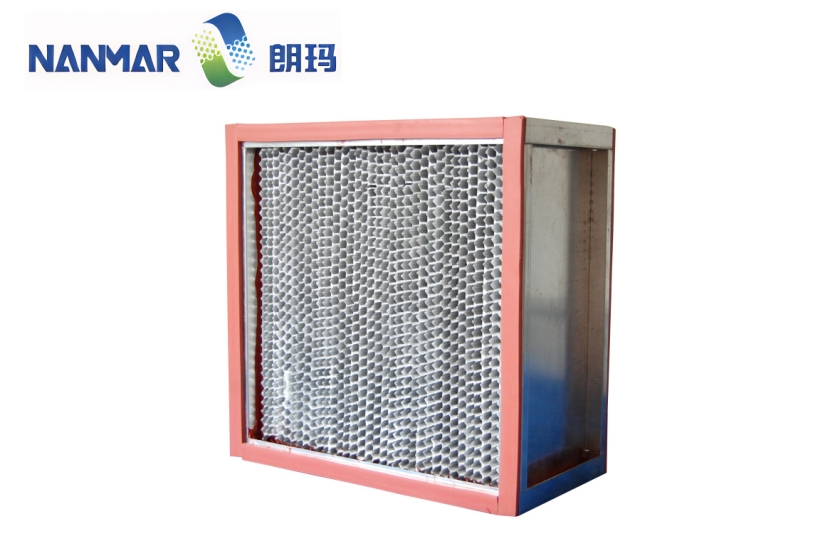
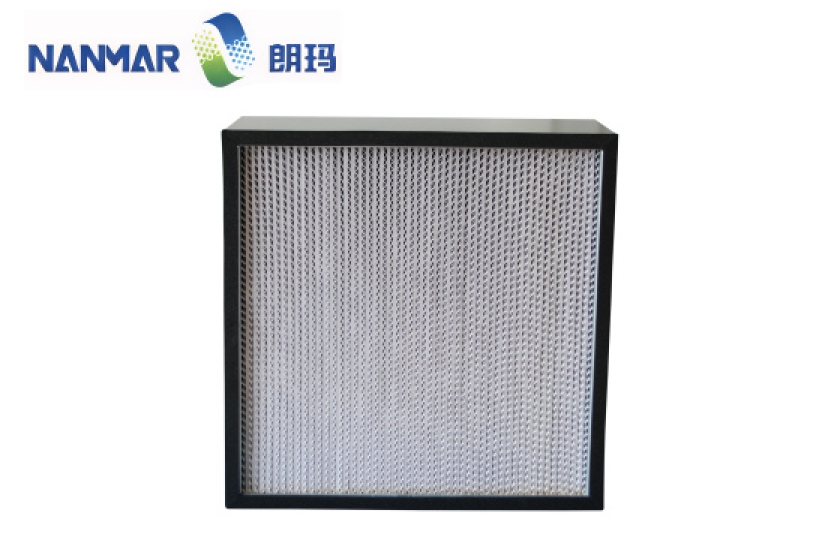
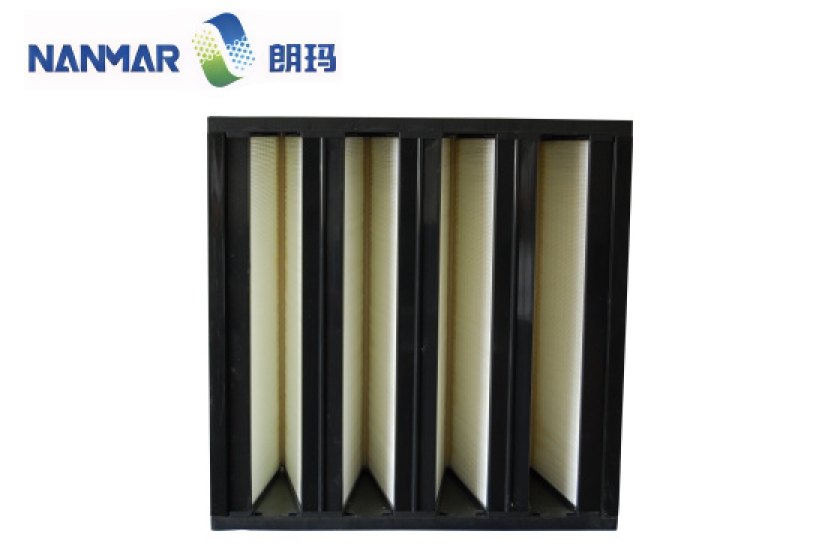
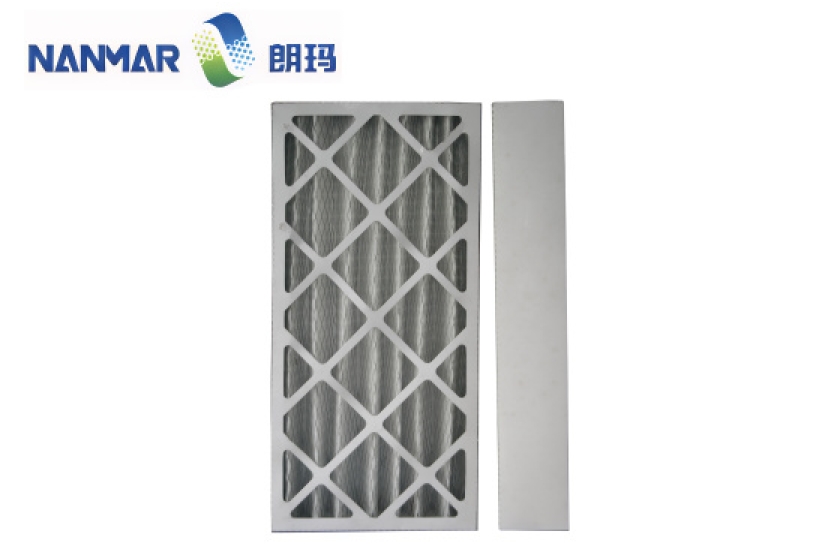
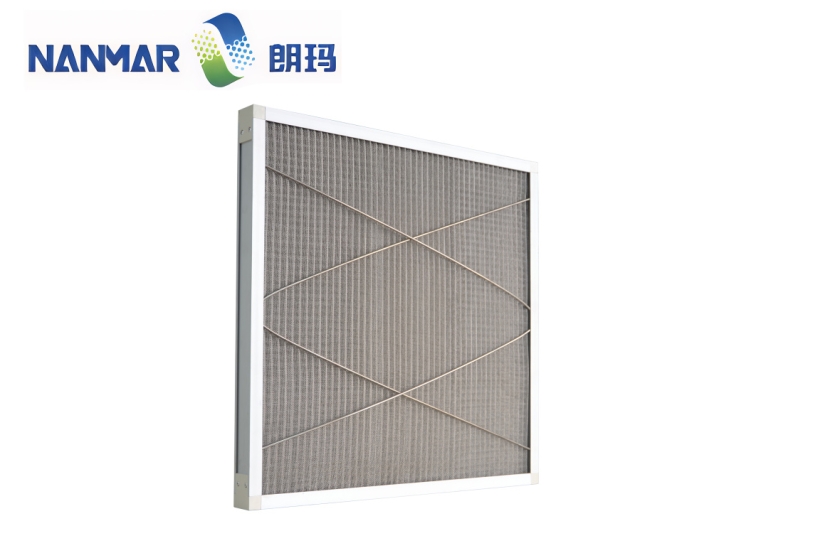
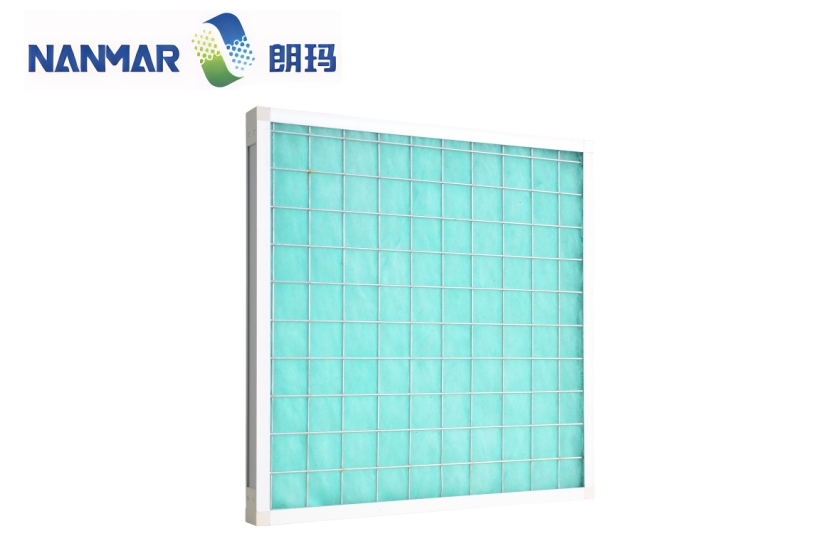
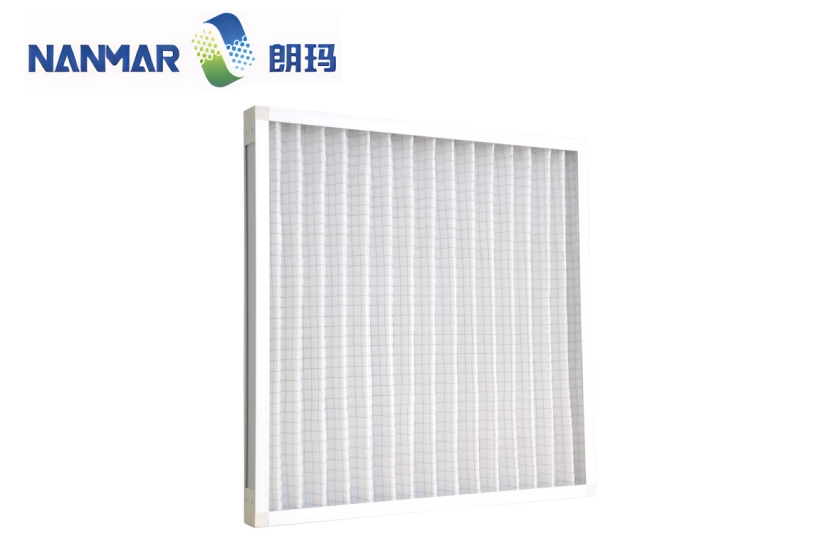
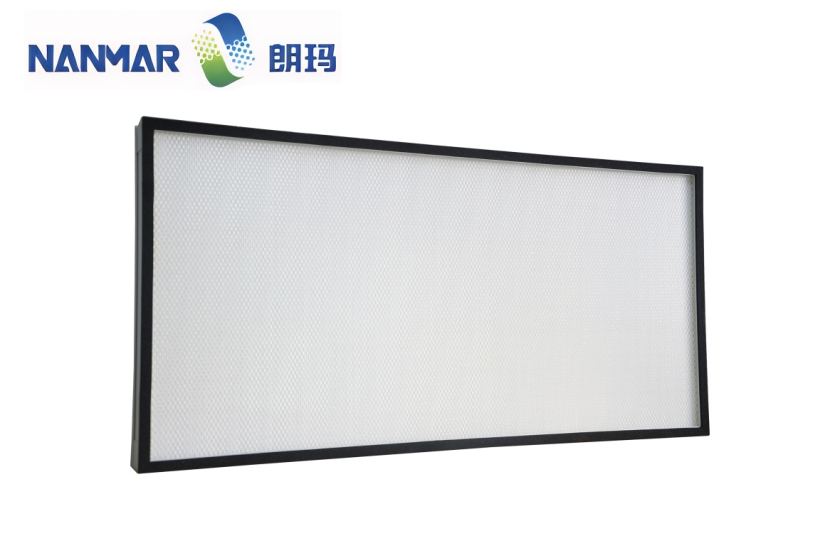
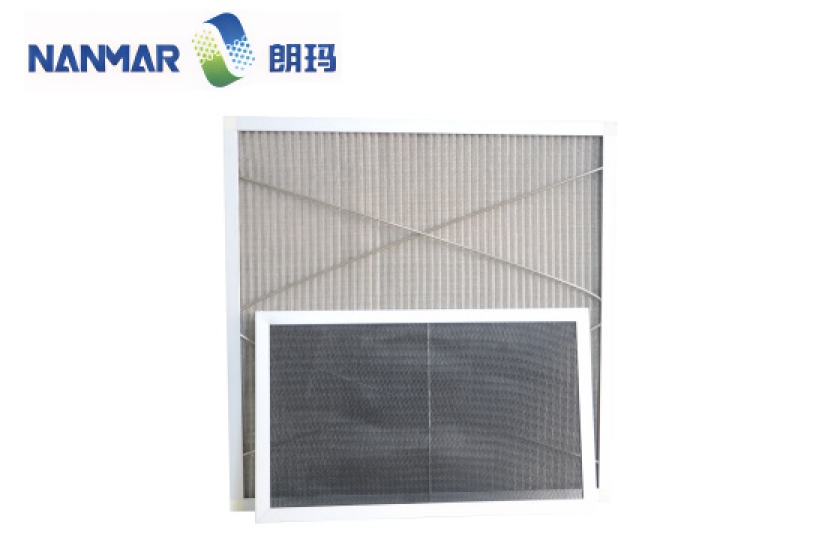
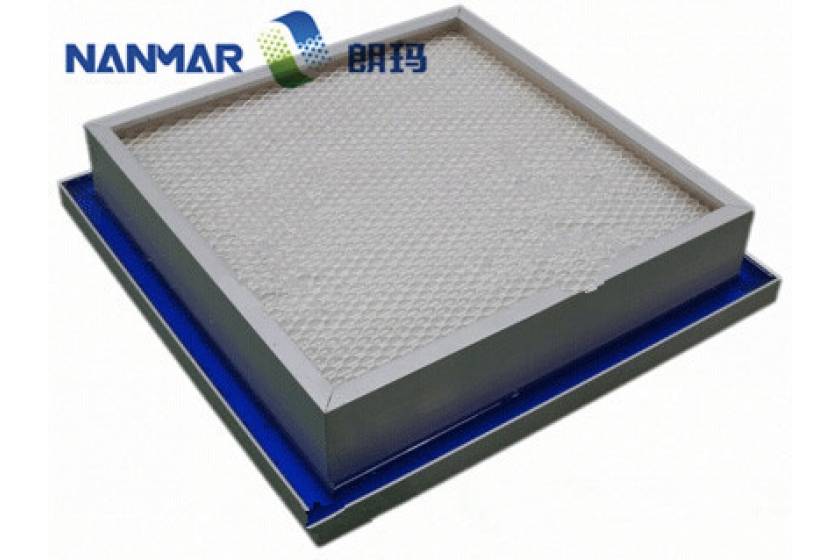
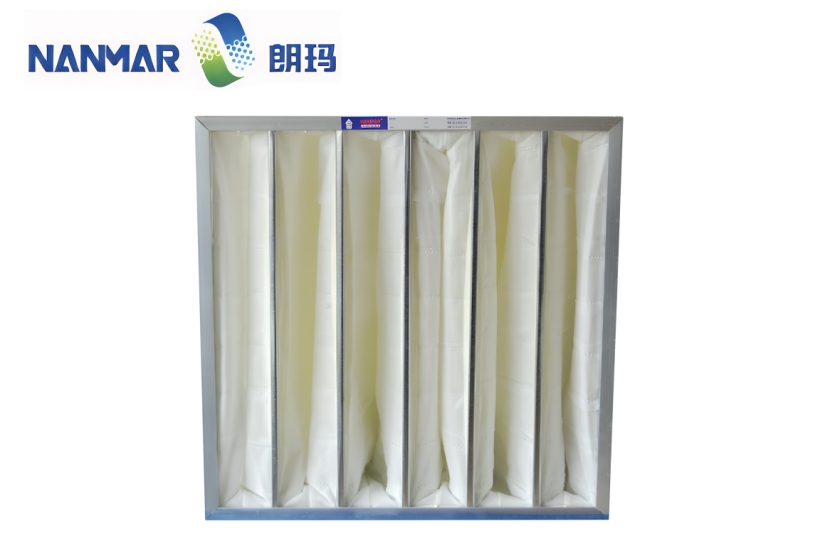
Aluminum partition box-type hepa filter
HEPA Filter
Product Overview:
Aluminum-panel box-type filters are high-efficiency air filtration devices. They utilize aluminum alloy panels to support the filter media, resulting in a robust yet lightweight structure. Their enclosure design facilitates installation and maintenance, and they are widely used in cleanrooms, hospitals, pharmaceuticals, and electronics manufacturing industries. This product boasts advantages such as high filtration efficiency, low resistance, and long service life, effectively intercepting particulate matter, dust, and microorganisms to ensure air quality. Suitable for medium- and high-efficiency air filtration applications, they meet GMP, ISO, and other cleanroom standards.
Features:
The aluminum-panel box-type filter is characterized by its robust structure, strong corrosion resistance, and long service life. Its aluminum panels ensure uniform distribution of filter media, improving filtration efficiency and airflow stability. Suitable for cleanrooms, air conditioning systems, and other environments with high air quality requirements, it offers excellent resistance and dust holding capacity, is easy to maintain, and is washable and reusable. Furthermore, its excellent overall sealing reduces the risk of leakage and enhances air purification performance.
Working Principle:
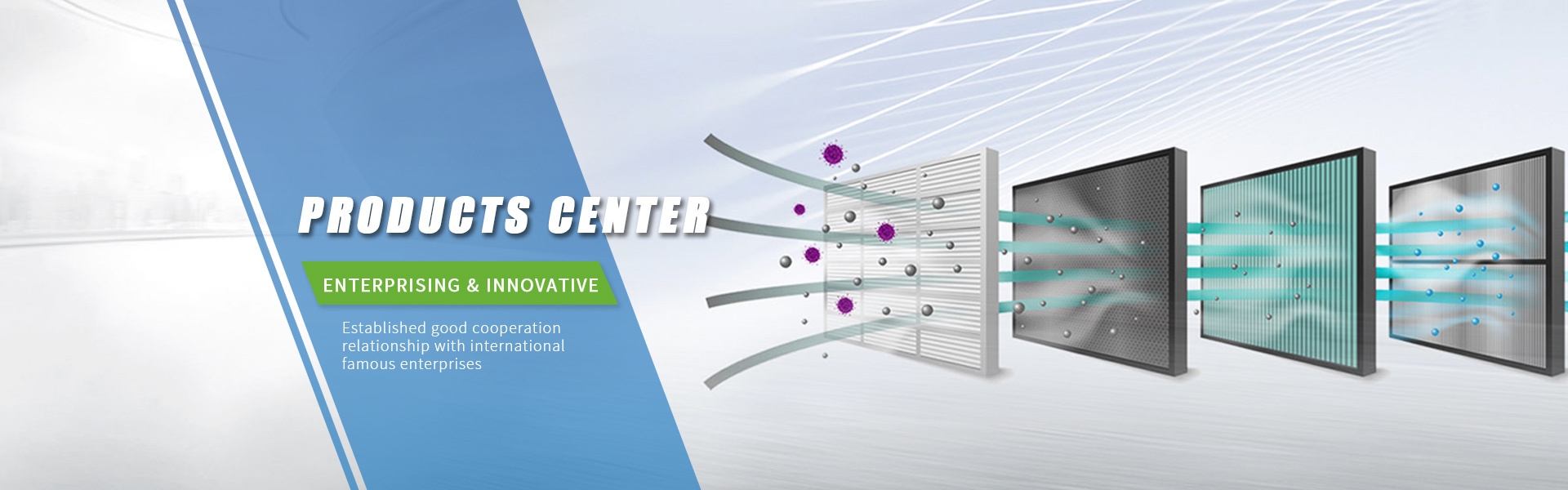
Aluminum-panel box-type filterr uses multiple layers of filter media (such as glass fiber or synthetic fiber) alternately arranged with aluminum panels to form a channel structure. When air flows through, particles are captured through interception, inertial impaction, and diffusion, achieving high-efficiency filtration of particles from 0.5 to 5 μm. The aluminum panels enhance structural strength, prevent filter media collapse, ensure uniform airflow distribution, and improve filtration efficiency and service life. Suitable for moderately polluted environments such as air conditioning systems and cleanrooms.
**Application Industries:
Aluminum-panel box-type filters are widely used in industries with high air cleanliness requirements, such as electronics manufacturing, semiconductor plants, pharmaceutical cleanrooms, food and beverage processing, precision instrument production, and hospital operating rooms. Their aluminum alloy frame structure offers advantages such as high strength, corrosion resistance, and lightweight, making them suitable for medium-efficiency air purification systems. They effectively intercept particulate matter, ensuring a clean production environment. These filters are commonly used in air conditioning system terminals or fresh air systems to improve overall air quality.
**Standard technical parameters:
The standard technical parameters of the aluminum partition box-type filter include: filtration efficiency ≥70% (gravimetric method, for particles ≥1.0μm in diameter), initial resistance ≤120Pa at rated airflow, dust holding capacity ≥500g, material is aluminum alloy partition and non-woven filter media, operating temperature -10℃~60℃, applicable humidity ≤80%RH. It features a robust structure, easy assembly and disassembly, and is suitable for medium-efficiency filtration applications such as cleanrooms and air conditioning systems.
**Customizable Frame and Dimensions:
The frame of the aluminum partition box-type filter can be customized to fit the actual installation space. Aluminum alloy is the commonly used material, offering advantages such as corrosion resistance and structural stability. Thickness, length, and width can be designed according to customer requirements, suitable for cleanrooms, central air conditioning systems, and other scenarios. When customizing, installation environment parameters and airflow requirements must be provided to ensure filtration efficiency matches the system.
**Filtration Grade Explanation:
Aluminum-panel box-type filters are typically classified according to ISO 16890 or EN 779 standards, into G1-G4 (coarse), F5-F9 (medium), H10-H14 (high efficiency), and U15-U17 (ultra-high efficiency). The higher the grade, the smaller the minimum particle size filtered, and the higher the efficiency. For example, the F7 grade can capture over 85% of particles ≥0.5μm, making it suitable for cleanrooms, hospitals, and other locations with high air quality requirements. The aluminum baffle structure offers advantages such as high strength, corrosion resistance, and long service life, and is commonly used in central air conditioning systems and industrial ventilation equipment. Selection should be based on a comprehensive consideration of the operating environment, airflow requirements, and pressure loss requirements.


 VI
VI
 CN
CN
 TH
TH